Making few mistakes when speaking or writing a foreign language requires a clear understanding of certain learning mechanisms.
Without it, you could be spending a lot of time on resources without any real benefit.
So if you're making the same mistakes over and over again as you spend time learning grammar, this article is for you!
Two memory systems
Being able to apply the grammatical rules of a language relies on different abilities. To explain this, let's take a look at the distinction made by cognitive science between two types of memory: procedural memory and declarative memory.
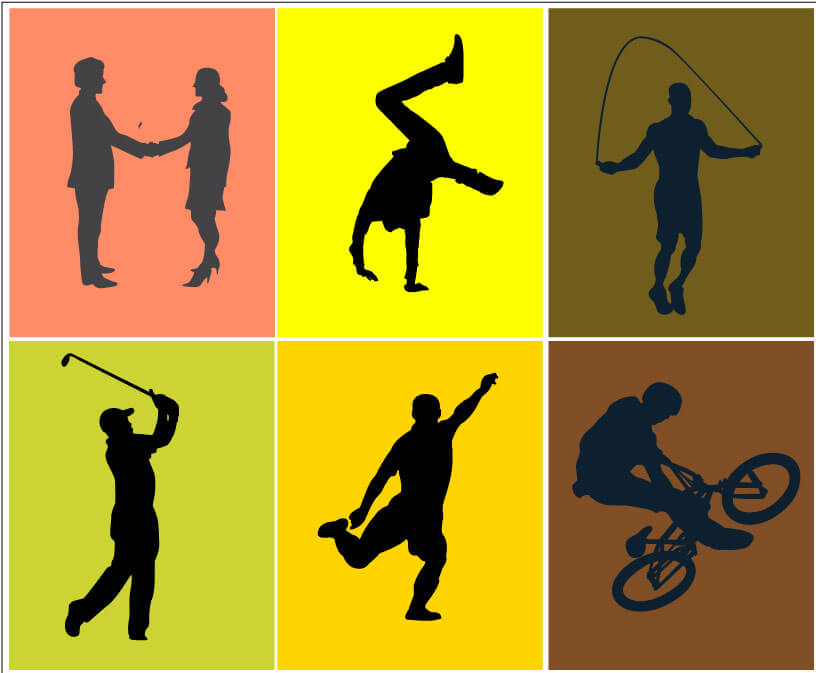
Procedural memory allows developing habits. After a certain amount of practice, we're able to perform certain actions without having to think, such as tying our shoes, driving or performing choreography.
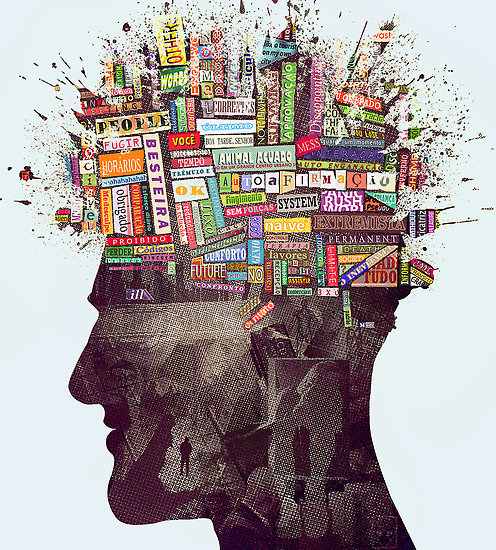
Declarative memory, for it's part, records and organizes the information we accumulate about the world. It's thanks to this memory that we know that an apple is a fruit, that it can be yellow, green, or red, or that the capital of Italy is Rome.
Of course, how these memories work is much more complicated than that in real life! But this distinction comes in handy for understanding the different types of grammatical competence and better manage your learning.
Acquiring very different skills
Each type of memory enables the development of a specific type of skill.
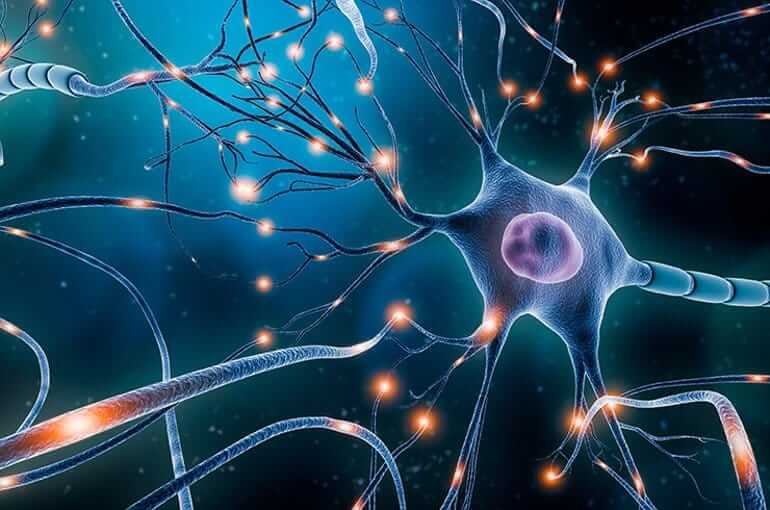
Procedural memory is linked to the formation of new neural networks through language practice.
The appearance of these "highways" in our brains means that we are now able to converse automatically.You'll be able to understand what's being said, without having to make any special effort to understand what's being said or to form your own sentences. We're then able to apply the rules of grammar. in real time.
Combining words and word groups correctly is like learning to play with Lego. The more you handle them, the more you know which parts go together without need an instruction guide that lists all possible actions.
Declarative memory declarative memory stores all the knowledge we learn about a language, such as its vocabulary or grammar rules.
When we speak, this knowledge can help us to identify and correct our mistakes.
When we're writing, they'll help us to know how, for example, to correctly agree a verb.
We develop this ability by observing and analyzing how the language works. We usually do this with teachers, books or apps, learning rules and doing exercises.
Getting really good at grammar
Knowing all the rules of how a language works doesn't mean you can speak it, just as it's possible to speak a language perfectly without being able to explain its rules.
In other words, knowing the rules and being able to apply them in a conversation are two very different things.
This goes against our usual thinking. We often think that knowing the rules will help us speak better, when what we really need are automatisms. On the contrary, rules are quite useful when you're writing, because you have time to think about how to apply them.
That's why to make good progress in grammar, you need to respect the following timing: first develop good reflexes by listening to and pronouncing correct sentences repeatedly, and then focus on the rules.
With the guidance of our teachers and plenty of classroom discussion practice, our learners acquire a solid mastery of oral grammar. There's no need for boring exercises that serve almost no purpose. In a second phase, once they have developed real conversational skills, additional knowledge about how the language works can be useful to complement the learning process.