Apps
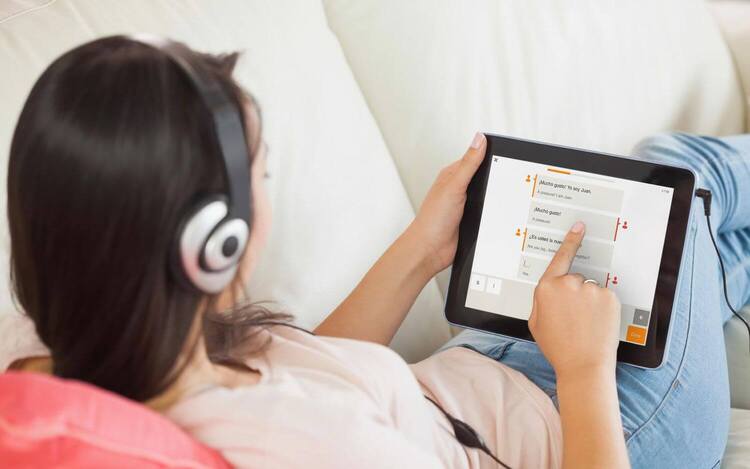
Apps like Duolingo or Babbel are undoubtedly very fashionable. They have lots of advantages: you can use them everywhere and on lots of different devices, they sometimes have cool blogs and they use artificial intelligence.
Most offer a free discovery section, so you can see if you really like the language you want to learn. For those who don't mind spending their time in front of a screen, this can be a good start.
But be careful, the activities are quite limited, and you never really interact directly with someone. Therefore, you shouldn't expect to develop your communication skills. But being alone in your corner is really the main problem. Since a language is meant for talking with others, learning in isolation behind a screen can quickly become demotivating.
"Headache" methods
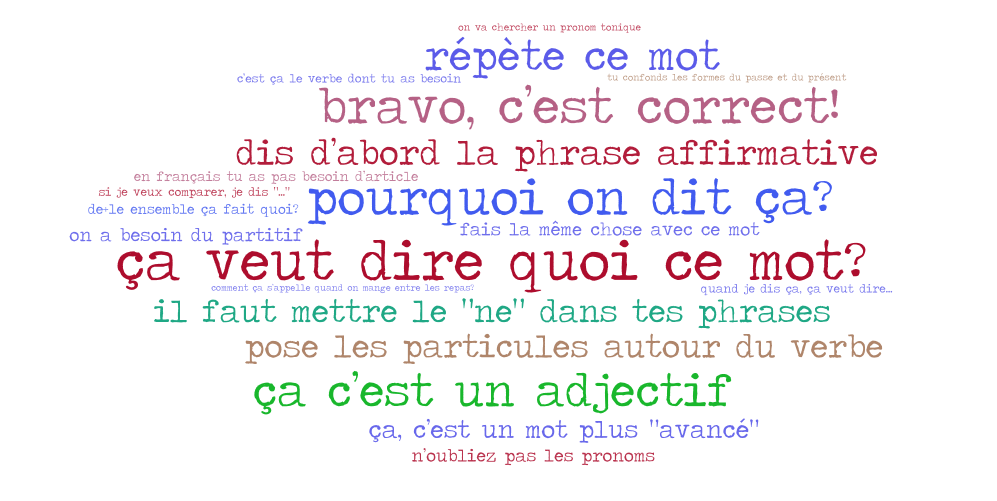
If you're taking lessons with a teacher, whether in a group or one-to-one, you're bound to come across the "headache" method. This is the classic system where we think you have to understand how the language works before you can speak it.
A bit like at school, you spend your time listening to explanations, answering questions and doing exercises. You don't really speak the language, or only at the end of the lesson. And when you do speak, it's often to justify the theory, because the teacher cuts you off to comment and analyze what you are saying. Language textbooks are typical of this approach.
Artificial immersion
You can also create a small French world around yourself. books, magazines, podcasts, YouTube channels, songs, films, series...
With a smartphone or a computer, you can have all this everywhere, all the time! Of course, the more you're exposed to a language, the more you understand it. But listening and reading aren't enough: research shows that you also need to speak and write to make real progress.
Moreover, you need to choose content that motivates you and isn't too difficult, ideally just slightly above your level. Media intended for French speakers will only be beneficial from level B1 onwards. For beginners, it's better to find adapted resources, but it's not always easy to find something that interests us.
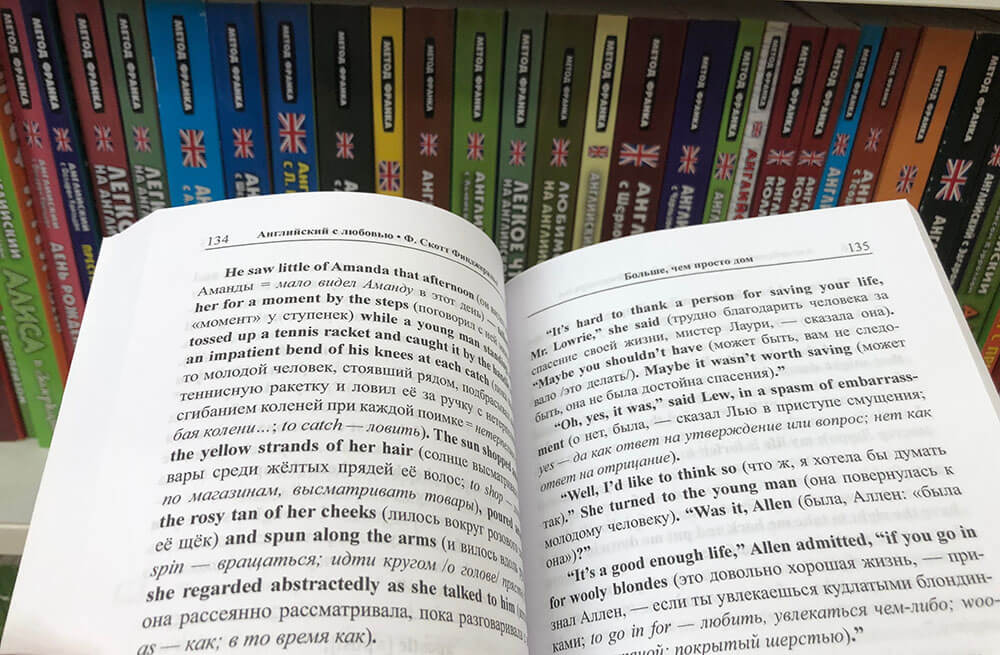
Immersion in a French-speaking country
In a French-speaking country, there are plenty of opportunities to practice. This works very well for younger people, who "absorb" more easily, or for outgoing, sociable profiles who quickly make friends. The same goes for those who need to speak French at work.
But for others, even if it seems paradoxical, being in the country doesn't necessarily mean you practice a lot. First, it's not always easy to create relationships with locals. You can thus live abroad for years without learning more than a few words, either because you stay among expats who speak your language, or because you only speak to buy bread or take the bus.
Immersion also has the disadvantages of its advantages. We receive so much linguistic information that organizing it in our heads, with no teacher or method to guide us, can take an inordinate amount of time. What's more, no one really corrects us, we learn in an approximate way and we're still a little in doubt.

The benefits of our approach
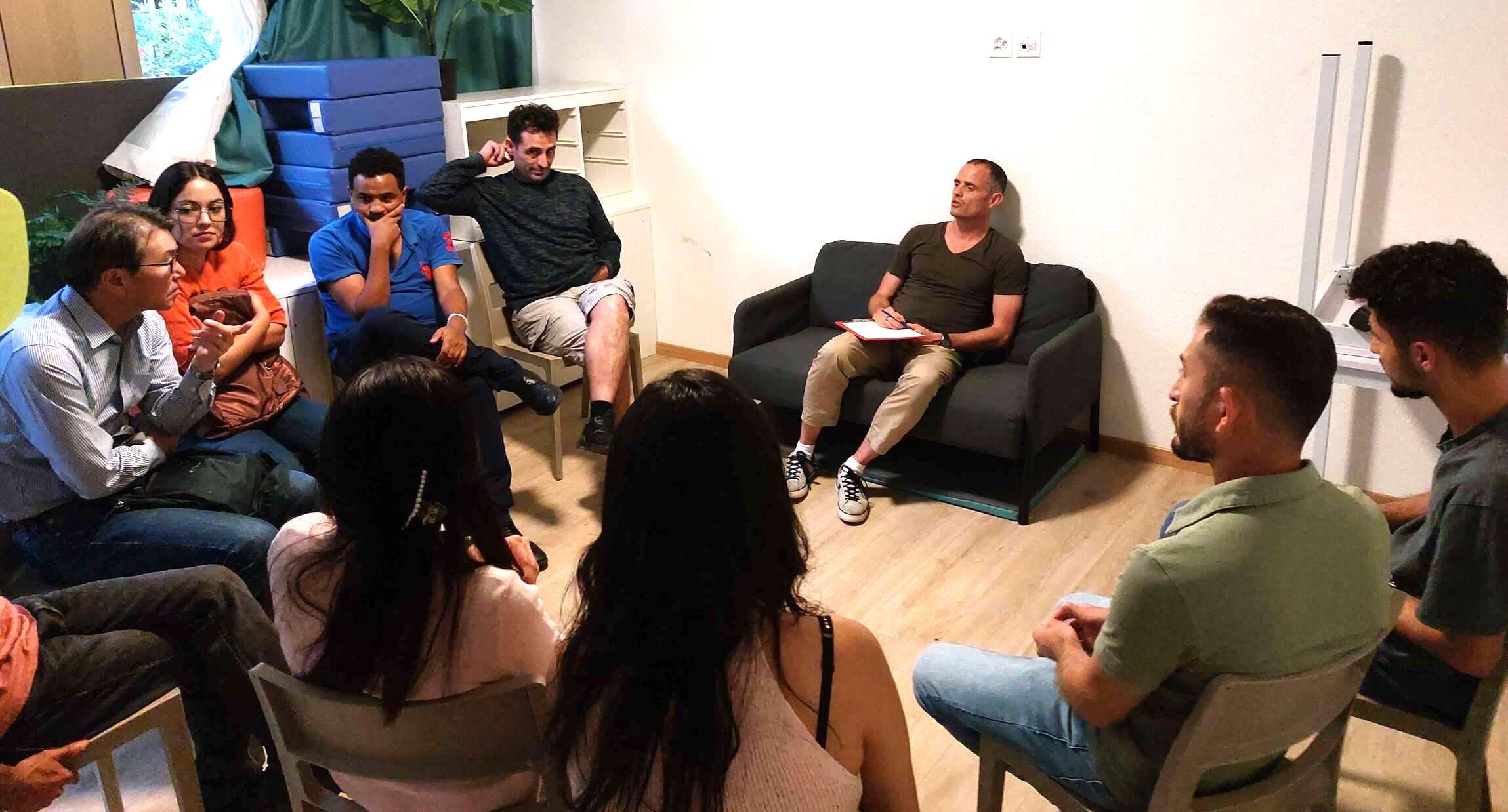
Our method is a bit special: we only practice in real communication situations under the guidance of a teacher. For beginners, we often repeat the same structures, first orally and then in writing. This helps them learn and retain the basics of communication more quickly.
The teacher corrects all errorswithout ever cut the conversation thread. He is like a referent who shares his linguistic resources to help learners express themselves.
Linguistic analyses are carried out only when written language (reading-writing) is addressed, and according to the course objectives and participants' levels.