How culture affects communication
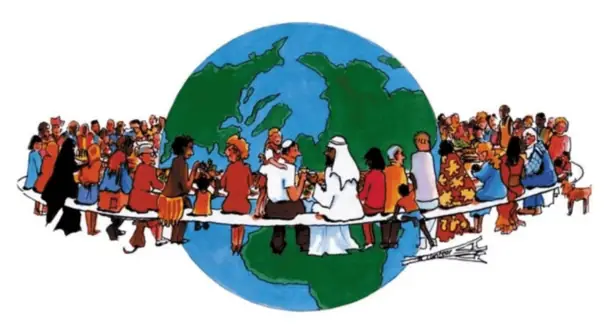
Culture is everywhere: in our values, judgments, conceptions, feelings, habits and ways of being.
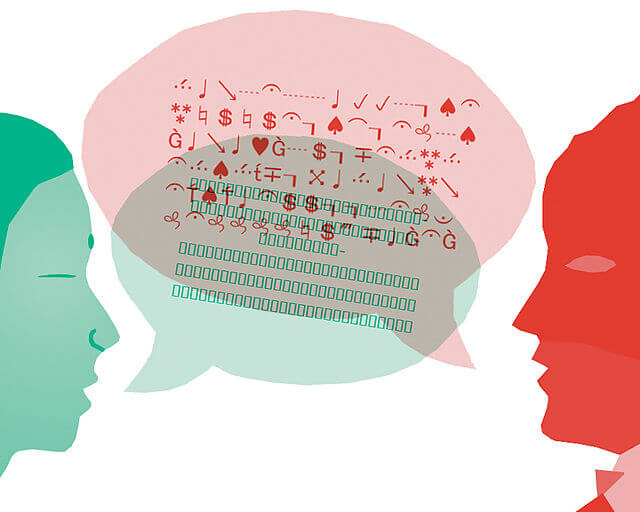
To communicate well with French speakers (or anyone else), you really need to understand its influence. This avoids misunderstandings and helps to interpreting innuendo in conversations, broadcasts or books.
For example, when a European talks about a cow, it brings to mind absolutely different associations than for the Indian speaker. Similarly, if an English speaker doesn't know when to use "tu" or "vous" because there's only one universal "you" in English, it can cause problems, at work for example.
Communicating isn't just about speaking the language. Knowing the other person's culture enables you to better understanding and integrate.
Different paths to integration
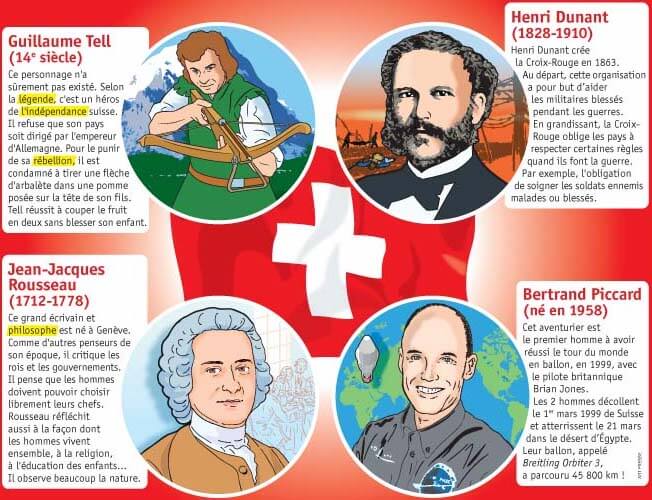
To integrate, it's always valuable to know the "high culture": famous people, history, art, important institutions, or famous products. For Switzerland, we first think of watches, chocolate, international organizations, mountains, or banks, but if you know more, you have a good chance of earning the respect of your Swiss interlocutors.

But integrating also means discovering everyday culture, how people live. When you're in the country, you're supposed to see all this up close, but in reality, that's not always the case. You can spend time abroad without really mingling with locals and understanding their daily lives.
At work too, there are special cultural codes that are better to know in order to succeed. These relate to the status of employees, when and where they meet, and how they behave during interactions.

Developing cultural competence in our learners
Whether from Switzerland or France, our native teachers master both aspects of high culture and those of daily life and the professional world. As they have lived abroad, they also understand the difficulties one may face in adapting to a new culture.
Without necessarily realizing it, they are, with their gestures, expressions, and tone of voice, living examples of how some French speakers communicate. With them, you are in good hands to fully understand everything that lies behind words, conversations, and texts.
And whatever the theme, everyone has a chance to express their own point of view. It makes the classroom a place where we learn to understand and accept differences.

Our aim is to give our learners as much information as possible about French-speaking cultures, but also to teach them how to communicate effectively so that they can better integrate into their personal, professional and academic lives.